
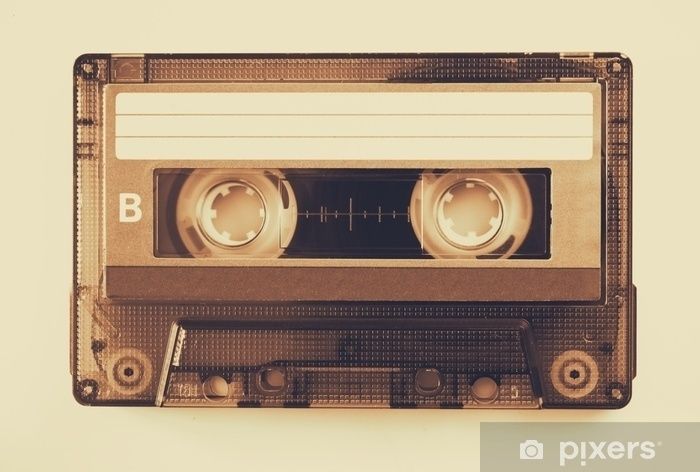
The Cassette Tape That Rewrote the Rules of Pop Music
The phrase C86 still arrives with baggage. It can suggest jangly guitars, awkward fringes, cheap trainers and a narrow kind of British indie nostalgia, as if the entire movement were an NME marketing exercise built around a cassette compilation. That version is convenient, but it is also incomplete. C86 was never a single sound so much as a loose network of bands, labels, fanzines and listeners discovering that pop could be made without permission from the industry. Its importance lies less in a fixed genre than in the permission it granted.
That permission now feels familiar to anyone browsing Bandcamp”s independent music, where bedroom recordings, tiny labels and self-released singles can form their own micro-scenes overnight. The connection between a mid-1980s tape passed through the post and a digital release uploaded from a spare room is not merely romantic. Both depend on direct circulation, personal recommendation and a willingness to treat limited resources as part of the artistic statement.
C86 helped normalise an anti-virtuosity ethos. It suggested that a song”s emotional charge did not depend on expensive studios, technically immaculate performances or industry validation. A thin guitar tone, an exposed vocal, a cheap drum machine and a handmade sleeve could communicate intimacy more effectively than polished professionalism. Four decades later, that principle remains central to bedroom pop, not because contemporary artists are incapable of refinement, but because many understand that the trace of the maker can be more compelling than the illusion of perfection.
Dismantling the Myth of Shambling Incompetence
The word “shambling” has always done too much cultural work. It was often used to describe music that sounded loose, under-rehearsed or deliberately unglamorous, but it also carried a dismissive implication that these artists lacked ambition. The C86 landscape was considerably more varied. Alongside bright guitar pop were bands interested in noise, political tension, post-punk abrasion and unusual structures. The Wolfhounds, associated with David Lance Callahan, brought a restless, confrontational energy that sits awkwardly inside any simple picture of twee amateurism. Their work demonstrates that the network could accommodate jagged intelligence as readily as melodic charm.
Callahan”s later reflections are useful because they return C86 to its original condition as a loose scene rather than a strict genre. The compilation became less interesting when its associations hardened into a formula. That distinction matters. The most valuable DIY movements begin as open systems, allowing artists to share infrastructure without surrendering their differences. The C86 tag eventually became a critical shortcut, but the music beneath it was often more politically alert, formally curious and emotionally unsettled than the stereotype allows.
Technical limitation was not simply endured. It was reclaimed as an aesthetic badge of autonomy. A four-track recorder, a second-hand amplifier or a rehearsal-room microphone created constraints, but constraints could sharpen decisions. Instead of hiding the recording process, many artists allowed hiss, distortion, uneven dynamics and vocal fragility to remain audible. The roughness made the music feel situated in a real room and connected to a real person.
- Loose form gave bands room to move between guitar pop, post-punk, noise and experimental arrangement.
- Visible limitation turned imperfect sound into evidence of independence rather than proof of failure.
- Small networks replaced conventional gatekeepers with fanzines, mail order lists, local promoters and trusted recommendations.
- Emotional directness made vulnerability a compositional strength, not an embarrassing lack of polish.
From Bristol Bedrooms to Digital Hard Drives
The infrastructure around C86 is as important as its sound. In the late 1980s, Sarah Records offered a particularly clear example of how a small label could behave like a cultural community rather than a miniature major. Founded in Bristol by Clare Wadd and Matt Haynes in November 1987, Sarah operated until August 1995, releasing roughly 100 singles and building an identity through collectible vinyl, personal writing and carefully connected artists. Its history is explored in this history of Sarah Records.
Sarah”s catalogue included The Sea Urchins, Another Sunny Day, The Orchids, The Field Mice, The Wake and Heavenly. Its presentation was inseparable from its politics. Fanzines and record inserts often read like personal diaries, while catalogue numbers extended beyond records to printed matter. Clare Wadd and Matt Haynes challenged commercial music culture, sexism and the male-dominated assumptions of the independent sector. The label”s reputation for “twee” music obscured how deliberately it questioned the accepted relationship between taste, gender and power.
The postal network of the period was slow, but it was remarkably intimate. An A5 photocopied zine could introduce a band, review a single, publish an address and create a chain of correspondence across Britain and beyond. Tape mail-order lists worked as recommendation engines before recommendation engines existed. Today, a similar function is performed by Bandcamp pages, Discord servers, Substack newsletters, private group chats and small-run online radio shows. The tools are faster, but the social principle is familiar: scenes become meaningful when listeners participate rather than simply consume.
| 1980s DIY network | Contemporary equivalent |
|---|---|
| A5 photocopied fanzine | Zine-style newsletter, blog or independent radio bulletin |
| Tape mail-order catalogue | Bandcamp page, label store or direct-to-fan mailing list |
| Handwritten correspondence | Artist messages, community chats and direct supporter updates |
| Small vinyl pressing | Limited cassette, lathe-cut record or short-run physical edition |
| Local gig network | DIY venue circuit, online showcase or mutual-aid collective |
The Architectural Blueprint of Modern Lo-Fi Pop
Modern bedroom pop inherits C86″s most durable ideas rather than copying its surface details. The central inheritance is deliberate vulnerability. An intimate lyric, a close-miked vocal and an arrangement that leaves audible space can make a track feel less like a product and more like a private thought briefly made public. The vocal does not need to be technically flawless. Its appeal may lie in a cracked note, a breath left in the edit or a phrase delivered slightly behind the beat.
The production parallels are equally clear. Cassette saturation has returned as both a practical tool and a symbolic texture. Budget microphones, free software instruments, compact samplers and second-hand hardware allow artists to build complete recordings outside commercial studios. Yet lo-fi does not automatically mean careless. The strongest contemporary practitioners use distortion, noise and narrow frequency ranges with intention, balancing roughness against memorable songwriting.
Direct distribution completes the connection. A bedroom producer can release a track, sell a cassette, announce a listening session and speak to supporters without waiting for a label”s approval. The model is not economically effortless, and streaming income remains inadequate for many independent musicians, but the artist can control the relationship more directly. That control echoes Sarah Records” commitment to physical objects, personal writing and a recognisable community identity.
- Intimate songwriting places small emotional details beside universal melodic hooks.
- Unvarnished vocals preserve the evidence of performance and personality.
- Cassette and budget textures create warmth, friction and a sense of physical presence.
- Artist-led distribution connects releases to mailing lists, small shops, live shows and direct conversation.
- Anti-commercial expression treats independence as a cultural position, not merely a production workaround.
The spirit can be heard across current DIY pop, lo-fi electronic music, indie folk and hybrid post-punk scenes. Some artists work entirely in software while others return to tape, cheap keyboards or battered drum machines. The technology changes, but the principle remains recognisable: the recording should sound answerable to the artist”s emotional logic before it answers to platform expectations.
How to Curate Your Own Modern DIY Musical Network
Independent artists can adapt the C86 and Sarah Records model without pretending that the 1980s can be recreated. The goal is not nostalgia. It is to build channels that reward attention, reciprocity and long-term trust. A small audience that reads, writes back, attends shows and buys releases can be more valuable than a brief spike of algorithmic visibility.
- Define a clear editorial identity. Decide what connects the releases, whether that means a sound, a political outlook, a visual language or a commitment to local artists. A coherent identity helps a small project feel like a scene rather than a sequence of unrelated uploads.
- Release in small physical batches. Cassettes, risograph sleeves, handmade booklets and short-run vinyl can turn a release into an object with a story. Keep quantities realistic and avoid manufacturing scarcity that excludes the people the project is meant to reach.
- Publish a genuine newsletter. Use it like a zine rather than a sales funnel. Include listening notes, studio photographs, gig details, local recommendations and honest reflections on the work.
- Build reciprocal promotion. Trade playlists, organise split releases, share equipment and recommend other artists without treating every interaction as a branding opportunity.
- Support mutual aid and local infrastructure. Pay performers fairly where possible, support independent venues, share transport and collaborate on recording costs. Sustainable scenes are built through practical solidarity.
- Use algorithms as tools, not destinations. Upload to major platforms if useful, but direct listeners towards mailing lists, shops, shows and artist-owned spaces where relationships can continue.
The most convincing modern DIY networks understand that presentation is part of the music. A carefully written note, a modest but distinctive sleeve and a thoughtfully sequenced release can communicate values before the first chord arrives. That does not require expensive design or relentless content. It requires attention, consistency and a respect for the listener”s time.
Listen to the Echoes in the New DIY Wave
C86″s journey from a mail-order cassette to a continuing cultural reference is not a story about one sound winning history. It is a story about infrastructure becoming artistic method. Bands, fanzines, labels and listeners created a route around the established industry, and that route made room for fragile voices, odd structures, political disagreement and imperfect recordings. Sarah Records later showed how a label could deepen that model through design, writing, physical releases and community commitment.
For listeners, the practical response is simple. Go beyond the obvious compilation tracks, follow the credits, explore the labels and read the small publications that still document under-the-radar work. When a bedroom artist offers a cassette, a newsletter or a direct download, treat that contact as part of the release rather than an optional extra. The next worthwhile sound may not arrive with sterile algorithmic polish. It may come through a rough mix, a tiny mailing list and a song that understands exactly how much feeling can survive the noise.